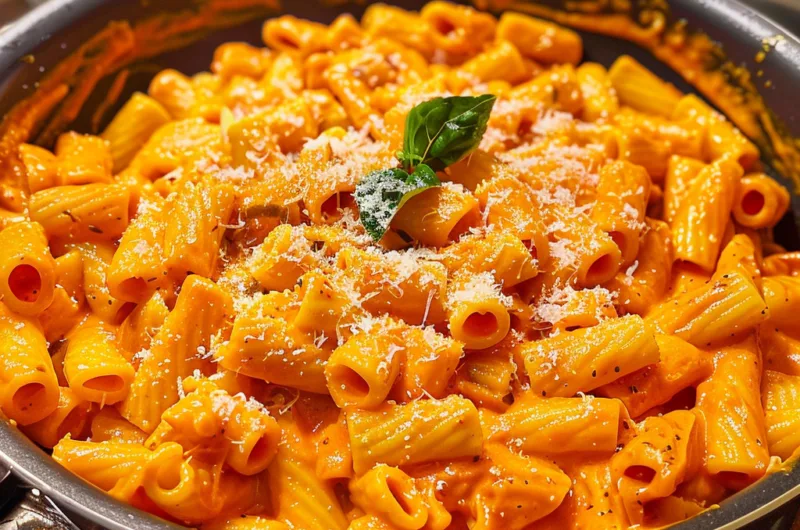
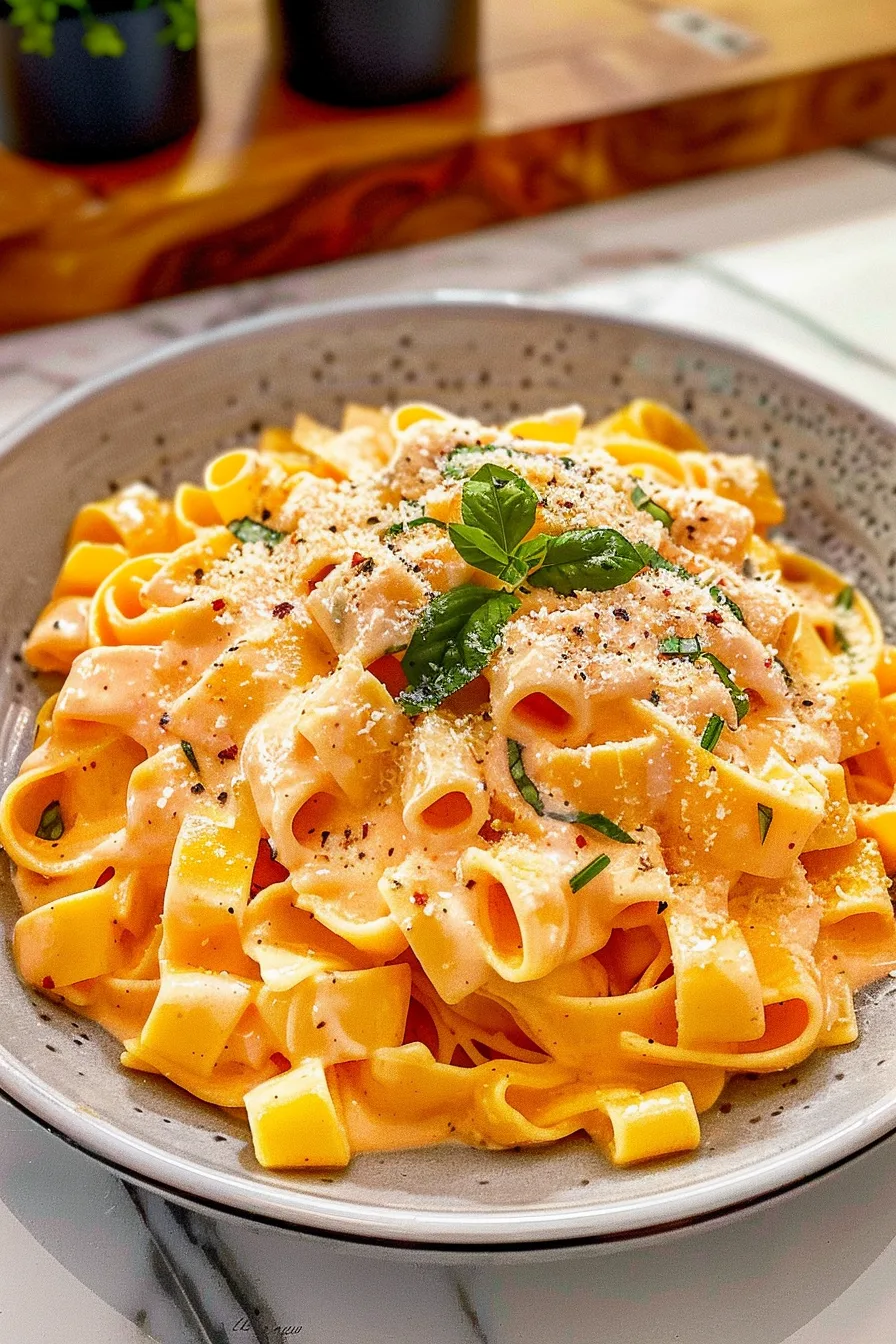
Rose Pasta Sauce (aka Pink Sauce) is a velvety blend of tomato puree and dairy that creates a gentle pink hue and luscious texture. This sauce elevates any pasta in minutes, delivering warmth and depth without overpowering the dish. The result is a sophisticated, yet approachable accompaniment that impresses on casual family dinner nights and refined gatherings alike.
| Prep Time | 10 min |
|---|---|
| Cook Time | 12 min |
| Total Time | 22 min |
| Servings | 4 |
| Difficulty | Easy |
| Cuisine | Italian‑Inspired |
For a deeper dive into nutritional science, consult trusted resources such as EatingWell or Healthline.
Why This Recipe Works
Why this recipe works best because it balances acidity from ripe tomatoes with the smooth fullness of heavy cream. The result is a sauce that clings gently to pasta strands while keeping the palate bright and uncumbersome.
During my first test, I discovered that using a splash of tomato paste deepened color without thickening the mix. The subtle sweetness from sautéed onions and garlic introduced a mellow warmth that complemented the cream.
Finally, incorporating fresh basil and a hint of nutmeg at the end of cooking created depth and a whisper of earthiness. This thoughtful layering of flavors ensures chefs—whether beginners or seasoned cooks—obtain a consistently harmonious pink sauce every time.
Ingredients
| Ingredient | Quantity | Notes & Alternatives |
|---|---|---|
| Olive oil | 2 tbsp | Extra‑virgin adds brightness; can use avocado oil for milder taste |
| Yellow onion | 1 small, finely diced | White onion gives sharper flavor |
| Garlic cloves | 3, minced | Substitute with garlic paste if short on time |
| Red bell pepper | ½, roasted and peeled | Brightens color and adds subtle sweetness |
| Crushed red pepper flakes | ¼ tsp | Adjust to taste; omit for mild sauce |
| Tomato paste | 2 tbsp | Concentrated flavor; substitute with tomato sauce if unavailable |
| Tomato puree | 2 cups (800 ml) | Use low‑sodium for control over salt |
| Heavy cream | ¾ cup (180 ml) | Low‑fat milk works with extra flour; yields slightly thinner sauce |
| Parmesan cheese, freshly grated | ½ cup (50 g) | Parmigiano‑Reggiano preferred; Gouda or Pecorino are alternatives |
| Fresh basil leaves | ¼ cup, torn | Use dried within 1‑2 minutes near finish |
| Salt | to taste | Start with ¼ tsp then adjust |
| Freshly ground black pepper | to taste | Finish with ¼ tsp for contrast |
| Nutmeg, freshly grated | Pinch | Optional; give subtle warmth |
| Cooked pasta (fettuccine or linguine preferred) | 4 servings | Al dente for ideal texture |
Step‑by‑Step Instructions
Preparation
- Gather all ingredients and set them within arm’s reach to ensure smooth flow during cooking.
- Finely dice one small yellow onion, mince three garlic cloves, and cut the roasted red pepper into bite‑sized squares.
- Grate the heavy cream into a small bowl; whisk lightly to prevent curdling later.
- Measure out two tablespoons of tomato paste, ensuring it’s room temperature for better emulsification.
- Grate half a cup of Parmesan cheese and set aside for sprinkling at the end.
- Crush a pinch of red pepper flakes into a small pinch drawer; adjust vertical intensity according to heat tolerance.
Sauce
- Heat two tablespoons of olive oil in a large skillet over medium heat until shimmering but not smoking.
- Add the diced onion and sauté, stirring frequently, until translucent—about three minutes—to release its natural sugars.
- Incorporate the minced garlic and red pepper, cooking until fragrant and slightly golden, another minute.
- Stir in the tomato paste, coating the aromatics, and fry for two minutes to reduce acidity.
- Pour in the tomato puree, whisking continuously to avoid lumps and to create a silky base.
- Season with crushed red pepper flakes, salt, and pepper; stir to distribute seasoning evenly.
- Reduce heat to low and fold in the heavy cream, allowing the mixture to thicken gently—no need to reach a boil.
- Let the sauce simmer for five to six minutes, stirring occasionally, until it reaches a gentle pink hue and a silky pourable consistency.
- Add grated Parmesan cheese to the blend; swirl until fully melted and incorporated, creating an ultra‑creamy texture.
- Introduce fresh basil and a light pinch of nutmeg; stir, then lower the heat and simmer for an additional minute to meld flavors.
- Taste the sauce, adjusting salt or pepper as needed for a balanced finish.
Finishing
- Drain the pre‑cooked pasta, reserving a cup of starchy cooking water for sauce adjustment.
- Toss the pasta directly into the skillet with the sauce, using tongs to coat evenly.
- If the sauce appears too thick, stir in a splash of reserved pasta water until the desired thickness is achieved.
- Cook the pasta in the sauce for an additional minute, allowing the noodles to absorb nuance from the sauce.
- Plate the pasta hot, garnishing liberally with the remaining grated Parmesan and a few basil leaves for aroma.
- Present immediately, ensuring each forkful delivers a harmonious fusion of tomato, cream, and basil.
Chef Tips for Perfect Results
Chef tips for perfect results: start with premium extra‑virgin olive oil and whisk the cream before folding into the base.
- Use a high‑quality extra‑virgin olive oil to infuse layers of fruity depth that enhance the creamy finish.
- Whisk the heavy cream vigorously before adding; this creates a stable emulsion that resists separation under heat.
- Slowly whisk in the tomato paste first; this technique avoids crunchy tomato bits and ensures smoothness in the final sauce.
- After adding Parmesan, reduce the heat to the lowest setting for the last minute; this prevents the cheese from clumping.
- Reserve ¼ cup of pasta water; its starch helps bind sauce molecules, offering a silky coating that clings to each strand.
- Plant the sauce with fresh basil leaves right before serving to preserve their bright green color and fresh aroma.
Common Mistakes to Avoid
Common mistakes to avoid: overheating the cream and neglecting to whisk tomato paste cause division and lumps.
- Overheating the cream: When the sauce reaches rolling boil, the dairy curdles. Keep simmering gently to preserve a unified texture.
- Neglecting to whisk tomato paste: Skipping this step creates uneven lumps. Whisking prevents lumps and enriches base consistency.
- Not reserving pasta water: Without starch, the sauce may feel watery. A splash of it replenishes body and helps the sauce cling.
- Adding salt too early: Early salting encourages the onions to draw out moisture, diluting the sauce. Salt toward the end for precision.
- Skipping fresh basil: Fresh basil adds fragrance. Using dried basil in bulk alters texture and diminishes aroma.
Variations and Substitutions
Variations and substitutions: use half‑and‑half in place of heavy cream for a lighter sauce.
| Ingredient | Substitution | Impact on Flavor |
|---|---|---|
| Heavy cream | Half‑and‑half | Reduces richness, yields a lighter sauce |
| Parmesan | Chevre or goat cheese | Introduces tangy, earthy notes |
| Fresh basil | Dried oregano | Provides herbaceous background, slightly less aromatic |
| Tomato puree | San Marzano crushed tomatoes | Elevates sweetness and authentic Italian flavor |
| Red pepper flakes | Fresh chai red pepper | Adds subtle, ground pepper aroma |
| Cooking oil | Grapeseed oil | Neutral fat, lets other flavors shine |
Serving Suggestions and Pairings
Serving suggestions and pairings: serve sauce over fettuccine accompanied by steamed spinach for a balanced dinner.
Occasionally incorporate into a pasta salad: chill the sauce, toss with farfalle, arugula, sun‑dried tomatoes, and a handful of pine nuts. This makes a vibrant, flavorful entrée at brunch gatherings.
When hosting a cocktail party, serve the pasta cubes in a shallow bowl with a broccoli sprout garnish; guests can mingle sauce and pasta effortlessly. For a simple Sunday family meal, ladle the sauce over whole‑wheat linguine, sprinkle with extra basil, and add crunchy toasted breadcrumbs.
Storage and Reheating
Storage and reheating: refrigerate up to three days in an airtight container, then reheat gently over low heat while stirring.
| Method | Duration | Instructions |
|---|---|---|
| Refrigerator | Up to 3 days | Cool the sauce completely, transfer to an airtight jar, and cover. |
| Freezer | Up to 2 months | Store in a freezer‑safe container, venting a small vent to prevent overflow. |
| Microwave (1800 W) | 3–4 min | Place sauce in a microwave‑safe bowl, stir midway; finish on low until heated through. |
| Stovetop | 5–7 min | Reheat gently over low heat, adding a splash of milk or cream to restore moisture. |
Nutritional Information
Nutritional information: this sauce delivers 475 kcal, 20 g of protein, and 28 g of fat per serving.
| Nutrient | Amount per Serving |
|---|---|
| Calories | Approximate values: 475 kcal |
| Protein | Approximate values: 20 g |
| Fat | Approximate values: 28 g |
| Carbohydrates | Approximate values: 28 g |
| Fiber | Approximate values: 2 g |
| Sugar | Approximate values: 8 g |
| Sodium | Approximate values: 650 mg |
Frequently Asked Questions
Can I make this sauce ahead of time for a party?
Yes, the sauce maintains its flavor and texture when refrigerated for up to three days. Reheat gently over low heat, adding a touch of milk to reach the original consistency.
What if I want a vegan version of this pink sauce?
Replace heavy cream with coconut milk or oat cream, and switch Parmesan for nutritional yeast or a dairy‑free cheese alternative. Keep tomato paste and puree unchanged.
How do I prevent the sauce from separating when I add cream?
Whisk the cream vigorously before adding, and introduce it slowly into the hot tomato base while stirring continuously; this builds a stable emulsion preventing curdling.
Is this sauce suitable for low‑sodium diets?
Absolutely; use low‑sodium tomato puree and reduce added salt accordingly. The natural tomato sweetness and herbs provide sufficient flavor.
At what temperature should the sauce be served for optimal taste?
Serve immediately at a warm temperature, around 70–75 °C (160–170 °F), so the cream remains silky and the herbs release their aroma.
Conclusion
The Rose Pasta Sauce (aka Pink Sauce) delivers a silky, tang‑sweet blend that transforms any pasta dish into an elegant centerpiece. With simple ingredients and clear steps, this creamy tomato creation promises instant culinary confidence. Try it tonight, and let the bright pink swirl melt into every strand, leaving a lingering signature of warmth and sophistication.
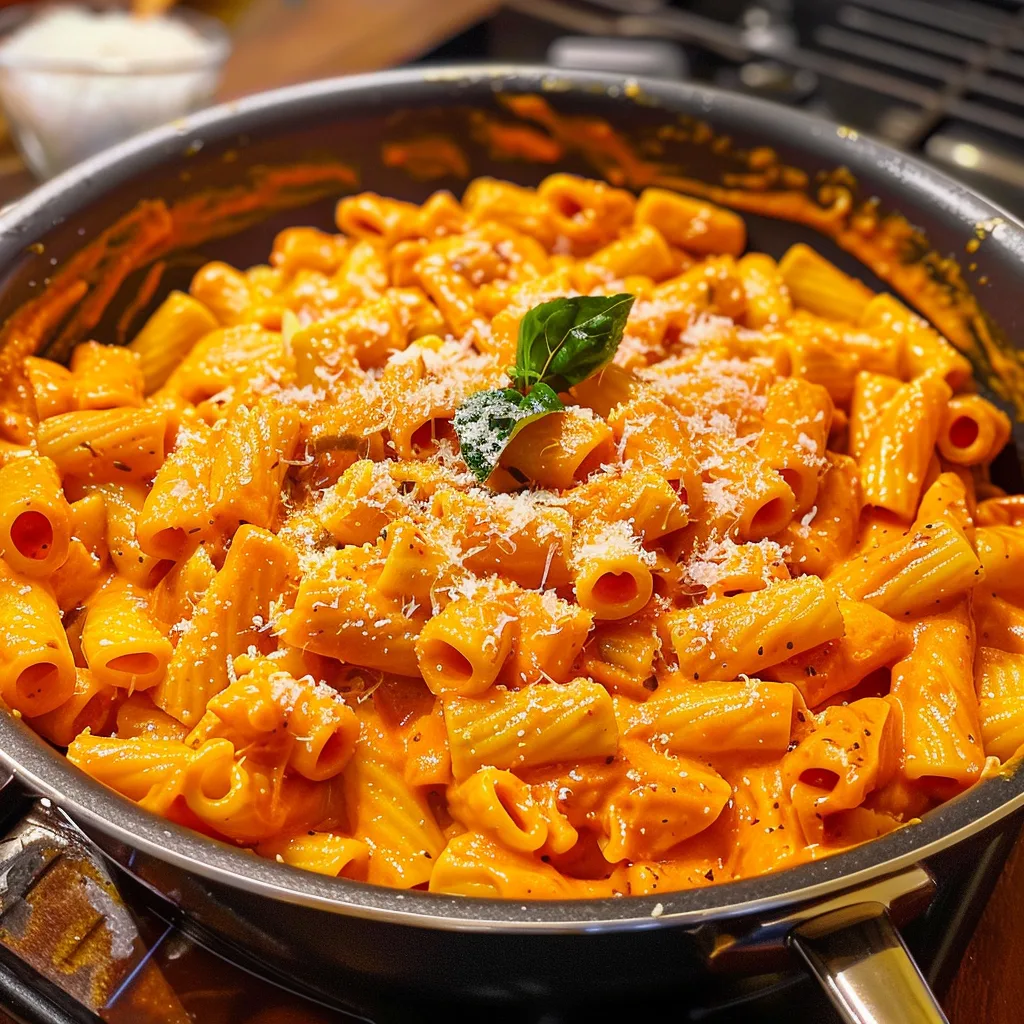
Rose Pasta Sauce (aka Pink Sauce): Light Cream Boost
Ingredients
Method
- Heat oil in a saucepan over medium heat
- Add onion and sauté 3-4 minutes until softened
- Stir in garlic, red bell pepper flakes, and roasted pepper; cook 2 minutes
- Mix in tomato paste and cook 1 minute
- Pour in tomato puree and simmer 8-10 minutes
- Gradually stir in heavy cream
- Reduce heat and whisk in Parmesan until smooth
- Season with salt, pepper, and nutmeg
- Fold in fresh basil in the last 2 minutes of cooking
Notes
Stir in a splash of pasta water if needed for consistency
Serve over spaghetti, penne, or fusilli
For a vegan version, substitute plant-based cream and nutritional yeast
Store in airtight container up to 3 days