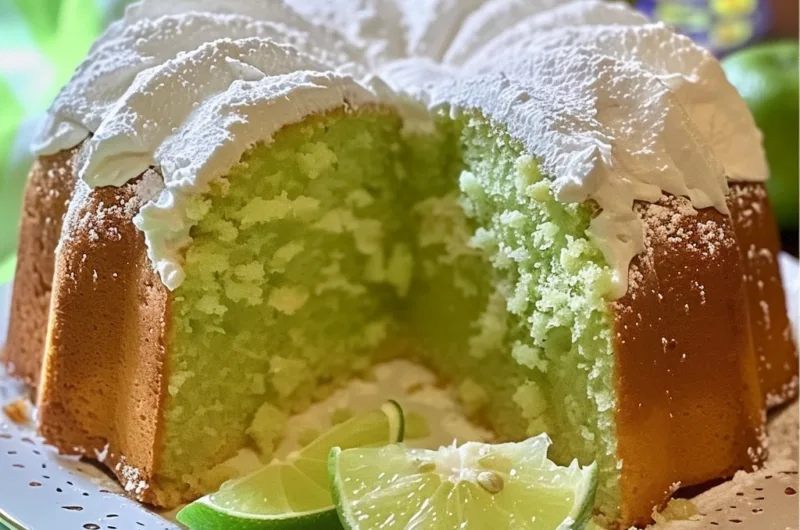
Key Lime Pound Cake is a dense, buttery loaf studded with bright lime zest and a finish of sweet icing that balances tartness with indulgent sweetness. This batter taps into the classic heat‑and‑cool concept, infusing the crumb with lime juice for tang and a frosting that rings with lime peel. The result is an experience that feels both comforting and refreshingly vibrant.
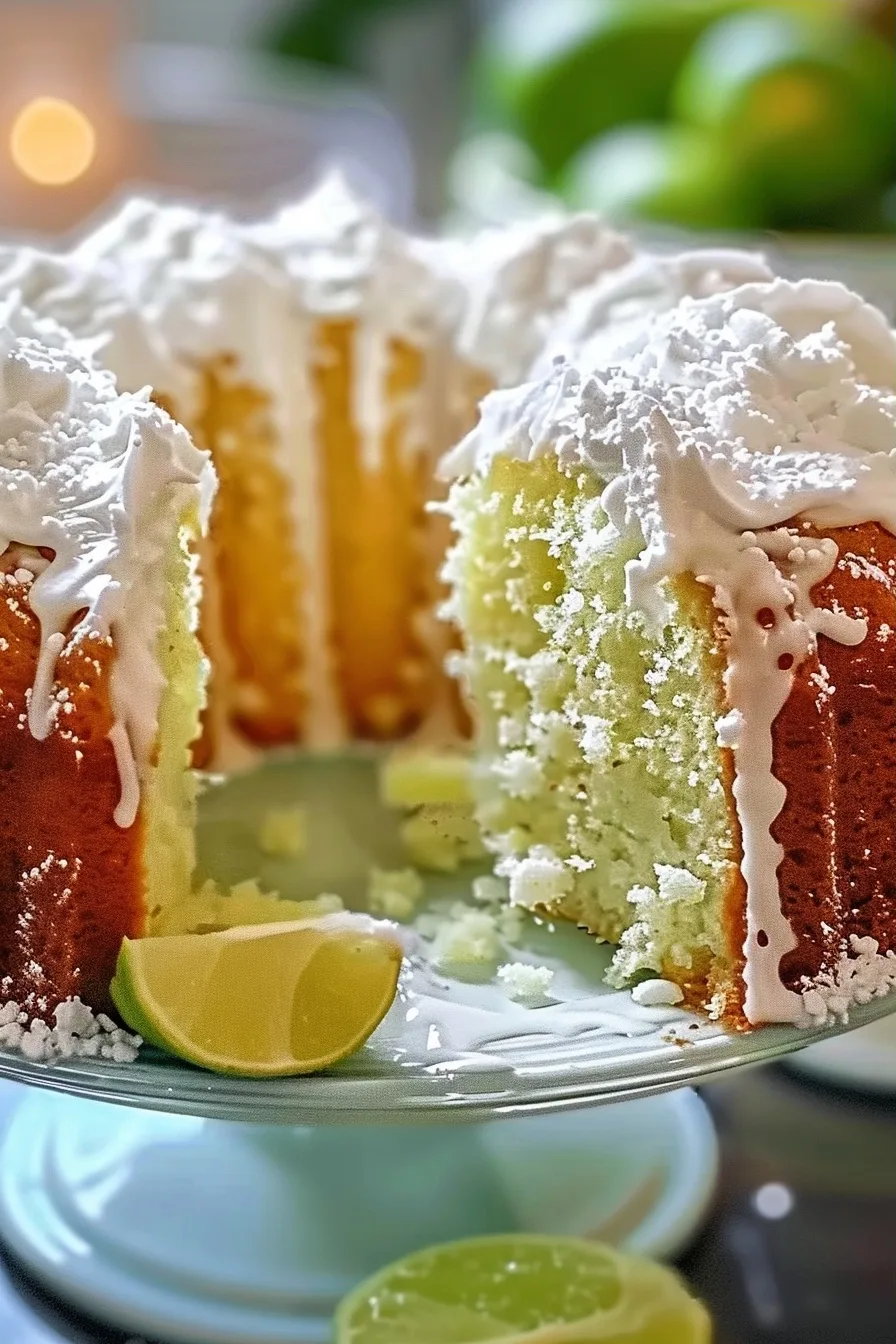
| Prep Time | 15 minutes |
|---|---|
| Cook Time | 45 minutes |
| Total Time | 1 hour 0 min |
| Servings | 12 slices |
| Difficulty | Easy |
| Cuisine | American |
Why This Recipe Works
I discovered that the key to a winning Key Lime Pound Cake lies in its balance of moisture and acidity: the heavy butter body is countered by sharp lime, and the simple sweet cream cheese frosting lifts the citrus to a bright finish. My first attempt was too dry, so I doubled the butter and folded in folded whisked eggs to create a silky crumb that holds the lime flavor inside. The secret ingredient is the freshly grated zest, which adds bright fragrance without bitterness. I learned that chilling the batter for 30 minutes before baking seals the flavor, and I’ll share that warming tip right below.
Ingredients
| Ingredient | Quantity | Notes |
|---|---|---|
| All‑purpose flour | 2 cups (240 g) | Sift for lighter crumb |
| Granulated sugar | 1 ½ cups (300 g) | Folded into butter for fluff |
| Unsalted butter | 1 cup (227 g), softened | Room‑temperature for even mixing |
| Large eggs | 4 | Room temperature for better emulsion |
| Key lime juice (fresh) | ⅓ cup (80 ml) | Freshly squeezed gives bright flavor |
| Lime zest | 1 tablespoon | Freshly grated for aroma |
| Buttermilk | ½ cup (120 ml) | Replaces milk for tang |
| Vanilla extract | 1 tsp | Balances citrus notes |
| Salt | ¼ tsp | Enhances flavors |
| Powdered sugar | 2 cups (250 g) | For the glaze |
| Fresh cream cheese | 5 oz (140 g) | Softened for smooth frosting |
| Unsalted butter (softened) | ½ cup (113 g) | Blended with cream cheese |
| Key lime zest (extra) | 1 tsp | For final glaze finish |
Step-by-Step Instructions
Pre‑Pound Cake Formation
- Preheat oven to 325 °F (165 °C) and line a 9×5‑inch loaf tin with parchment.
- Combine the flour, salt, and powdered sugar in a bowl to remove lumps.
- Beat the softened butter and granulated sugar together until light and fluffy, about 4 minutes.
- Incorporate eggs one at a time, fully blending each egg before adding the next.
- Stir in fresh lime juice, vanilla extract, and lemon zest until the mixture is glossy.
- Fold the dry flour mixture into the wet batter until just combined; avoid overmixing to keep a tender crumb.
- Whisk buttermilk into batter until smooth, then pour into the prepared loaf tin.
- Chill the loaf in the refrigerator for 30 minutes to meld flavors and prevent excessive leavening.
- Bake for 45 minutes, or until a toothpick inserted into the center comes out clean.
- Cool in the tin for 10 minutes, then remove to a wire rack to cool completely before glazing.
Frosting Preparation
- Whisk softened cream cheese, butter, and vanilla in a bowl until a smooth paste forms.
- Gradually add powdered sugar, ½ cup at a time, beating until light and creamy.
- Finish with remaining powdered sugar, lime zest, and a splash of lime juice; blend until silky.
- Apply glaze to the cooled loaf with a spatula, letting excess drip off for an authentic look.
Chef Tips for Perfect Results
- Use room‑temperature butter. Softer butter creates a lighter rise and mixes more evenly with sugar.
- Choose fresh limes. 100‑percent natural juice adds brighter tang compared to bottled versions.
- Chill the batter. A 30‑minute chill tightens the structure and concentrates the lime flavor.
- Check oven temperature. An oven thermometer guarantees an accurate 325 °F bake, preventing over‑brown edges.
- Keep the loaf airtight. When storing, wrap in parchment and then zip‑top plastic for a fresh‑like feel.
- Use cream cheese for the glaze. It provides a creamy, slightly tangy contrast that echoes the cake’s citrus.
Common Mistakes to Avoid
- Overmixing the batter. Overmixing leads to a dense crumb; stop as soon as the flour is incorporated.
- Skipping the chill. Without chill, the lime juice can react with flour and reduce loaf rise.
- Adding cold ingredients. Cold eggs or buttermilk cause uneven baking; always bring to room temperature.
- Underbaking the glaze. Wait until the loaf is completely cool; warm frosting can pool and drown the cake.
- Using too much lemon zest. Excess citrus can make the glaze bitter; stick to the recipe’s one‑tsp limit.
Variations and Substitutions
| Ingredient | Substitution | Impact on Flavor |
|---|---|---|
| Lime juice | Fresh lemon juice | Bright but slightly sweeter; use ¼ cup less to offset acidity |
| All‑purpose flour | Whole wheat flour | Denser, nuttier crumb; mask with extra butter for tenderness |
| Unsalted butter | Clarified butter | Reduces milk solids, enhancing the pure citrus taste |
| Powdered sugar | Icing sugar | Similar texture, slight variance in sweetness |
| Cream cheese | Greek yogurt | Longevity; gives a tangier, less rich glaze |
Serving Suggestions and Pairings
Serve slices at a summer picnic drizzled with a thin lime‑citrus coulis, or place on a tea‑time platter accompanied by mint‑touch sugar cookies for a refreshing contrast. Pair this cake with a chilled chamomile tea to soothe the citrus bite, or elevate the dish for a family gathering by offering a small faucet of salted caramel glaze. The cake also works beautifully as a dessert bar, especially when paired with shaved coconut or toasted almonds for added texture.
Storage and Reheating
| Method | Duration | Instructions |
|---|---|---|
| Refrigerator | 3–5 days | Wrap tightly in plastic; keep at 35–40 °F |
| Freezer | Up to 3 months | Wrap in freezer film before parchment; thaw at 4 °C overnight |
| Reheat | 1–2 minutes | Use a microwave or oven set to 250 °F; keep dipped in parchment to preserve moisture |
| Restore glaze | Optional | Whisk glaze lightly and reapply before serving |
Nutritional Information
| Nutrient | Amount per Serving (Approximate values) |
|---|---|
| Calories | 350 kcal |
| Protein | 6 g |
| Fat | 19 g |
| Carbohydrates | 38 g |
| Fiber | 1 g |
| Sugar | 19 g |
| Sodium | 210 mg |
Frequently Asked Questions
Can I replace key lime juice with bottled lime juice?
Yes, bottled lime juice works, but the flavor is less vibrant. Dilute with a splash of fresh lemon juice to enhance brightness.
How do I know when the cake is fully baked?
Insert a clean toothpick near the center; it should exit with a few moist crumbs but no wet batter.
What if my glaze hardens too quickly?
Allow the glaze room temperature for 2–3 minutes before applying; add a teaspoon of cold milk to loosen.
Can I make this cake ahead of time?
Yes, prepare the loaf and glaze one day earlier, then refrigerate wrapped in parchment. Serve at room temperature for optimal taste.
What’s the best pairing for a dessert platter?
Complement with a mint‑infused shortbread, citrus sorbet, and a glass of chilled jasmine tea for a balanced citrus medley.
Conclusion
Key Lime Pound Cake delivers a sublime combination of buttery, tangy, and sweet notes that linger in every bite. Its straightforward method invites bakers of all levels to create a show‑stopping dessert, and its adaptable variations allow you to personalize every loaf. Enjoy every slice with confidence, knowing this recipe guarantees a citrus‑rich masterpiece that’s as pleasing to the eye as it is to the palate. Cheers to an unforgettable Key Lime Pound Cake experience!
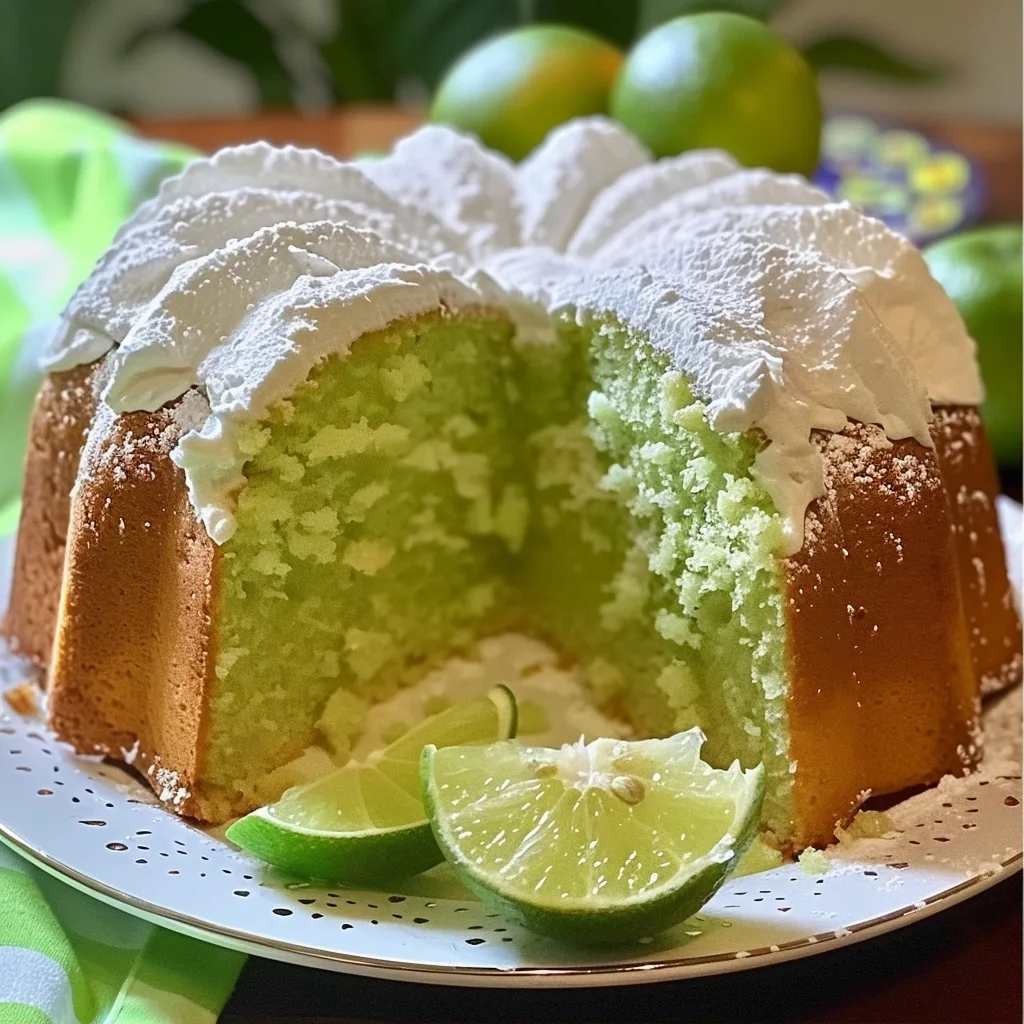
Key Lime Pound Cake: The Ultimate Citrus Chocolate Dessert
Ingredients
Method
- Preheat oven to 325°F (165°C) and line a 9×5-inch loaf tin with parchment paper
- In a bowl, sift together flour, salt, and granulated sugar for a lighter crumb
- In another bowl, beat eggs until frothy, then gradually add softened butter while mixing
- Fold in Key lime juice and zest for tang and aroma
- Whisk in buttermilk, vanilla, and additional zest for a silken texture
- Chill batter for 30 minutes to intensify citrus flavor
- Bake for 45 minutes or until a toothpick comes out clean
- For the glaze, beat cream cheese and butter until smooth
- Gradually add powdered sugar and extra lime zest, mixing until thick and glossy
- Wait for the cake to cool completely before spreading the glaze on the top
- Sprinkle remaining lime zest for a final aromatic finish
Notes
Grate zest after confitting for maximum aroma
Adjust baking time by wrapping the cake if it browns too quickly
Frosting can be piped for decorative presentation
Substitute buttermilk with kefir or mix milk/buttermilk/wine for a tangy alternative (note: original article mentions buttermilk only)